[ Blog · For Brands · 5 min read ]
By Sefa Yamak
What to Wear for a Photoshoot: A Photographer's Honest Guide
What works on camera, what fights it, and how to show up ready. A working fashion and portrait photographer walks you through colors, fabrics, fit, and how many outfits to actually bring.
Wear something that fits you well, in a solid color you actually like, made from a fabric with a bit of texture. Skip loud logos, neon, and tiny tight stripes, and bring two or three options so we can see what reads best on camera. If you only remember one thing: fit beats everything else.
I shoot fashion and portraits for a living, and the question I get most before a session is some version of "what do I wear?" The honest answer is that there is no single right outfit. There is what suits you, what suits the light, and what suits the mood we are going for. Below is everything I tell my clients before they pack a bag.
What colors work best on camera
Colors behave differently through a lens than they do in your mirror. Deep, saturated tones photograph beautifully: a good navy, forest green, burgundy, rust, warm camel. Earth tones are forgiving and almost never fight the frame. Black is timeless and slimming, but it can swallow detail in low light, so I like to pair it with a texture you can still read. White is clean and editorial, though it does pick up color from whatever is around it.
The clashes are worth knowing. Bright neon throws color onto your skin and turns a nice complexion green or pink. Pure, screaming red can be gorgeous but it bleeds and bounces, so it needs the right setting. If you are shooting outdoors in greenery, avoid going head-to-toe green or you will blend into the background. Think about what is behind you, not just what is on you.
Solids or patterns: which photographs better
Solids win most of the time. They keep the attention on your face and they age well, which matters if these images live on your website or portfolio for years. A solid also lets the cut and the fabric do the talking.
Patterns are not banned. A soft check, a loose floral, a wide stripe can all add life. The trap is small, busy, high-contrast patterns. Tight stripes and tiny checks create moiré, that shimmering wavy distortion that sensors hate and that is almost impossible to fix later. If you love a pattern, go larger and lower in contrast. When in doubt, bring it as a second option and we will test it.
How fabric, fit, and texture change the photo
Fit is the thing amateurs underestimate and pros obsess over. A simple shirt that actually fits your shoulders looks more expensive than a designer piece that gapes or bunches. If something is a little loose, a couple of clips at the back fix it in seconds, and half the clothes you see in editorials are pinned out of frame.
Texture gives an image somewhere for the light to land. Linen, raw denim, knitwear, suede, wool, a heavy cotton: these read as rich and tactile. Thin, shiny synthetics tend to wrinkle on camera and catch reflections you do not want. Steam or iron everything the night before. Creases are real work to remove afterward, and they pull the eye every time.
What to avoid wearing
A short list of things that quietly ruin good frames:
Big logos and brand text date an image instantly and drag the eye away from your face. Neon and very bright synthetics cast color onto your skin. Tight stripes, herringbone, and tiny checks cause moiré. Glossy fabrics catch hot reflections under studio light. Brand-new shoes that pinch will show in your posture, because tense feet make a tense body. And anything you keep tugging at on a normal day will become the only thing you think about on set.
Glasses-wearers, bring your frames but know we may shoot some without them to dodge glare. If you want jewelry, a few pieces you genuinely wear beat a pile of new ones.
How many outfits to bring to a shoot
Bring three to four looks for a standard session. One safe option you feel completely comfortable in, one that is a little bolder, and one or two that match the mood we discussed. Comfort first, because the camera reads tension before it reads fabric.
Lay them out the night before and try each one on. The outfit you imagine and the outfit on your body are sometimes two different things, and you want to find that out at home, not at noon on shoot day. Bring options on shoes too, and a neutral base layer in case we want to build looks on set.
Grooming and the small stuff
For skin, hydrate the day before and keep makeup close to your everyday level unless we planned a specific look. The camera is honest, so heavy matte foundation can read as a mask under light. A little powder to cut shine is plenty for most people.
Hair should be how you actually like it, freshly cut a few days out rather than the morning of, so it settles. Bring a brush and any product you use. Nails get noticed in portraits more than you expect, so a quick tidy goes a long way. Trim or shape facial hair to taste. And get some sleep. Rested eyes save me more retouching than any product on earth.
Dressing for the location and mood
The right outfit depends on where we are standing. A concrete studio, a sunlit field, a moody apartment, and a busy street each ask for different things. For a soft, romantic mood I lean toward flowing fabrics and muted tones. For something strong and graphic, clean lines and bold solids hold up better. Tell me the location and I will tell you what sings there.
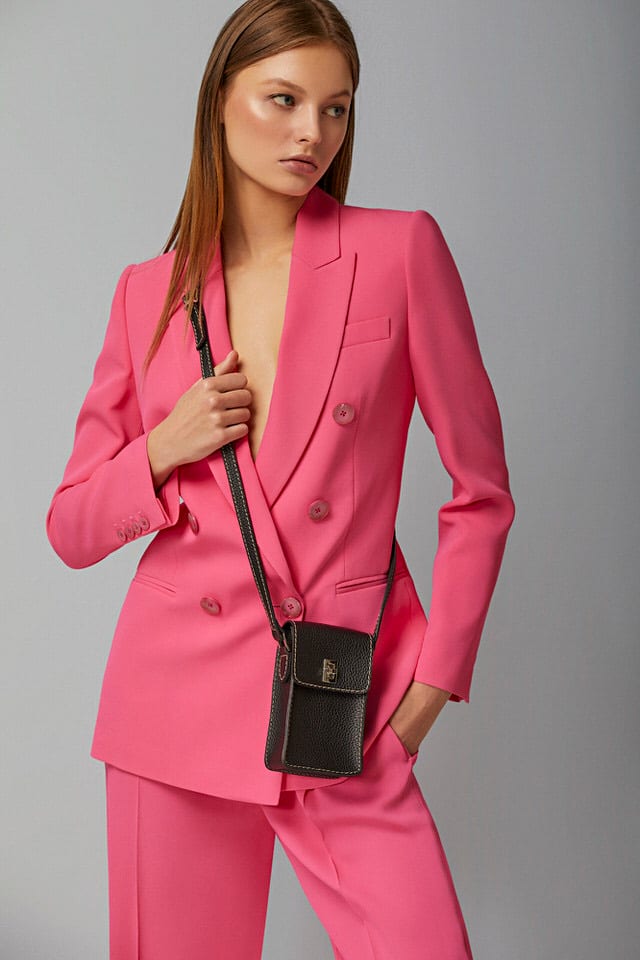
Fashion shoots and personal portraits also pull in different directions. On a fashion or brand shoot, the clothes are often the point, so we plan looks deliberately and styling can get adventurous. For a personal portrait, the goal is you looking like the best, most natural version of yourself, so we stay closer to what you would genuinely wear. Both work. They just start from different places, and it helps to know which one we are making before you pack.
FAQ
What is the safest color to wear for a photoshoot? Deep, saturated tones are the safest bet: navy, forest green, burgundy, camel, and most earth tones. They photograph richly, suit nearly every skin tone, and rarely fight the background. If you want something neutral, a well-fitting black or soft white with visible texture also works well in most light.
Can I wear patterns or stripes on camera? Yes, with care. Larger, lower-contrast patterns photograph well. Avoid tiny tight stripes and small checks, since they create moiré, a shimmering distortion that is very hard to fix afterward. If you love a patterned piece, bring it as a backup so we can test it against a plain option on the day.
How many outfits should I bring? Three to four is the sweet spot for a standard session. Pack one look you feel totally comfortable in, one slightly bolder choice, and one or two that match the agreed mood. Add a couple of shoe options. Try everything on at home the night before so nothing surprises you on set.
Should I wear makeup for my portrait session? Keep it close to your everyday level unless we planned a specific look together. Hydrated skin and light, natural makeup photograph best. Heavy matte foundation can look like a mask under lighting. A little powder to control shine is usually all most people need.
What should I never wear to a shoot? Avoid big logos, neon, glossy synthetics, and tight stripes or small checks. Skip brand-new shoes that hurt and anything you constantly adjust, because discomfort shows in your posture and expression. When in doubt, choose simple, well-fitting clothes and bring bolder options as backups.
Related serviceShooting and production in Istanbul with PAM Istanbul — see the work or send a brief.