[ Blog · For Brands · 8 min read ]
By Sefa Yamak
AI Fashion Photography in 2026: What It Can and Can't Do
An honest take from a working Istanbul studio that uses AI in production but keeps every shoot human-led. Where the tools actually help, and where real models still win.
No, AI cannot replace fashion photography in 2026. It can replace parts of the workflow, like moodboards, pre-visualization, ecommerce variations, and heavy retouching. It cannot replace the trust, emotion, and credibility that come from a real photographer, a real model, and a real moment on set.
I run PAM Istanbul, a photo and video production studio. We use AI almost every day. We also turn it off the second a campaign needs to feel true. That tension is the whole story of fashion imagery right now, so let me walk through it the way I actually think about it on a job.
Can AI replace fashion photographers?
Short answer: no, and I say that as someone who likes the tools. AI is very good at generating something plausible. Fashion lives or dies on something specific. A client is not paying for "a woman in a coat." They are paying for their coat, on the body they cast, in the light their brand owns, with a feeling buyers will remember.
The gap shows up the moment a real product enters the frame. AI guesses at fabric. It guesses at how a seam pulls when someone breathes. It cannot photograph a garment that exists in a box in our studio, because it has never touched it. On set, we have.
Where AI actually helps in fashion production
This is where I get enthusiastic, because the honest answer is: a lot.
Pre-visualization is the big one. Before we book a crew, I can generate twenty rough frames to argue out a concept with a client. We are not pretending those frames are the final work. They are a faster, lower-stakes way to disagree early, which is exactly when you want to disagree.
Moodboards used to take a junior half a day of scraping references. Now they take an hour, and they are sharper. Color directions, casting feel, location mood, all of it lands faster.
Then there is volume work. Ecommerce is brutal in scale. When a brand needs the same jacket on a clean background in eleven colorways, AI-assisted background and variation tools save real money. Retouching is similar. Skin, stray hairs, a wrinkle in the seamless paper, all faster than they were two years ago. None of that touches the soul of a campaign. It just clears the boring part off my plate so the team can spend its energy on the frames that matter.
Why brands got burned by AI in 2025 and 2026
You probably saw the backlash. Through 2025 and into 2026, several big names ran AI-generated or AI-heavy fashion imagery and got hammered for it once people noticed. Guess ran an AI-generated model in a magazine spread. Mango leaned on AI for campaign visuals. Others quietly tested synthetic models and got caught.
The anger was rarely about the technology itself. It was about not being told. Audiences feel lied to when a "model" turns out to be a render, especially in an industry already under fire for unrealistic bodies. There is also the working-models question. Casting a synthetic face to avoid paying a real one is a bad look, and people read it instantly.
My rule after watching all of this is simple. If you use AI, say so. Hidden AI is a trust problem waiting to happen, and trust is the one thing a fashion brand cannot regenerate.
Where human craft and real models still win
Campaigns. Editorial. Anything meant to make someone feel something or believe something. That is still ours.
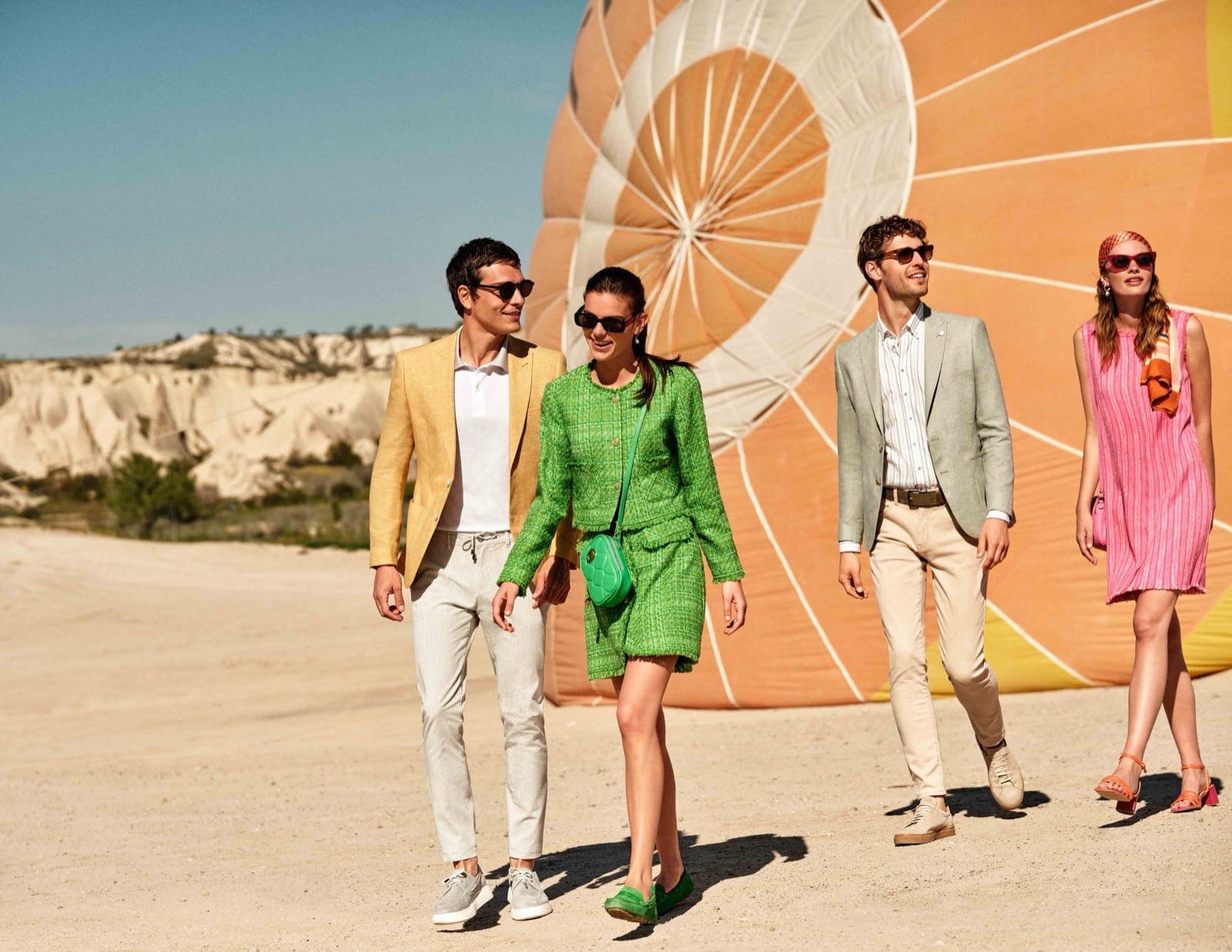
A real model brings micro-expression, posture, the small awkward human things that make an image read as alive. A good photographer reads the room, the light, the mood of the talent that day, and adjusts in real time. I have changed a whole setup because a model walked in with a different energy than the casting suggested, and the campaign was better for it. AI has no day. It has no room to read.
There is also the legal and practical side, which clients underrate until it bites them. Real shoots give you clean rights, signed releases, and footage you can cut into video, behind-the-scenes, and social. One good production day feeds a brand for months. A pile of AI stills does not.
How we use AI at PAM Istanbul without faking it
Our approach is boring on purpose, and I think that is a feature. AI is a tool in pre-production and post, never the thing pretending to be the photograph. Concepts, boards, variations, cleanup: yes. The hero image of a real person wearing a real product: shot, by us, with a crew.
When a project does use generative imagery on purpose, we tell the client and we are comfortable telling the audience. Modern does not have to mean dishonest. That is the line we hold, and so far it has been good for both the work and the relationships.
FAQ
Is AI fashion photography legal to use in campaigns? Using AI tools is legal in most markets, but the details matter. You need clear rights to any training inputs and outputs, and many regions now expect disclosure when imagery is AI-generated. Using a synthetic model also skips the releases a real shoot gives you. We treat AI as a production aid and keep the legal paperwork clean on the human side.
Will AI change how fashion photography gets made? For high-volume, low-emotion work like ecommerce variations and background cleanup, yes, noticeably. For campaigns and editorial, not really, because what matters there is craft, casting, and trust, not pixels. The smart move is using AI to clear the repetitive work so your energy goes toward the frames customers actually remember.
Can AI create realistic fashion models? It can create faces that look real at a glance. It struggles with a specific product on a specific body, consistent identity across a full campaign, and the small human cues that make an image feel honest. It also raises trust and ethics questions the moment you hide it. For us, real casting still wins where it counts.
Should a brand disclose when it uses AI imagery? Yes. The 2025 and 2026 backlash was driven by hidden AI, not AI itself. Audiences forgive tools they were told about and punish ones they discover. Disclosure protects the brand and usually takes nothing away. If you are not comfortable disclosing it, that is a sign you should not be using it that way.
Does PAM Istanbul use AI in its shoots? Yes, in pre-production and post. We use it for moodboards, pre-visualization, variations, and retouching. We do not use it to fake a model or hide it from a client or audience. Our hero images are shot with real people and a real crew in Istanbul, and we are happy to say exactly which parts AI touched.
Related serviceShooting and production in Istanbul with PAM Istanbul — see the work or send a brief.