[ Blog · Photography & Fine Art · 6 min read ]
By Sefa Yamak
Photographing Varanasi: A Travel Portrait Field Guide
Real, on-the-ground advice for photographing Varanasi and the people on its ghats. Best light, how to ask for a portrait, what to shoot beyond the clichés, and why I never pay for a face.
You photograph Varanasi from the ghats, on foot, before sunrise. The light off the Ganges between 5:30 and 7 a.m. is the whole reason to be there, and the holy men, bathers, and boatmen are awake in it. Go light, ask before you shoot a face, and spend more time looking than shooting.
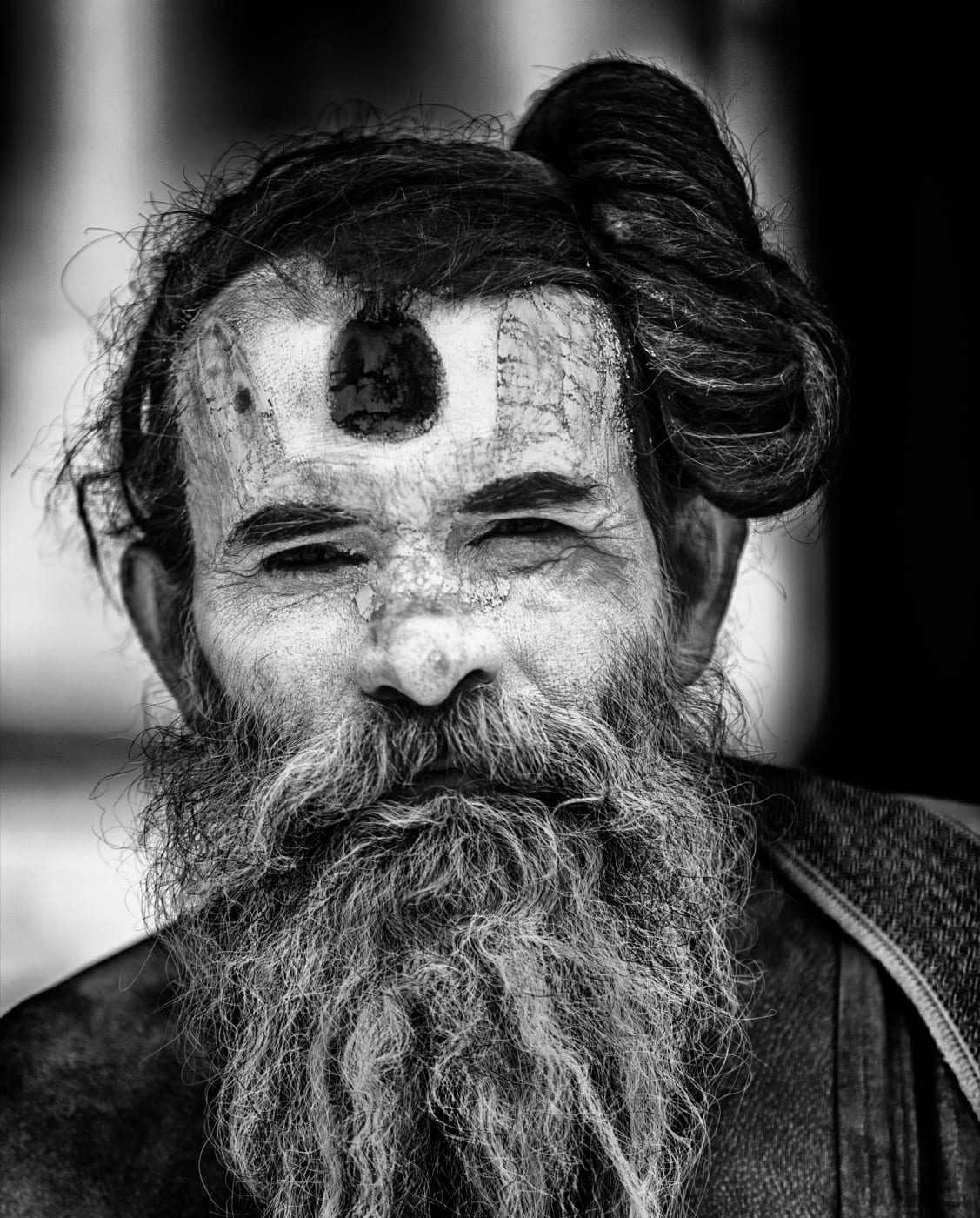
I shot my SADHUS and INDIA series here over several trips, mostly along the river at first light. Most of what I learned, I learned by getting it wrong first. Here is what I would tell a photographer flying in next week.
When is the best time to photograph the ghats?
Dawn. I cannot say it plainer than that. Be on the steps before the sky changes, around 5 a.m. in winter, earlier in summer. For about ninety minutes the river carries a soft pink-gold light that sits on skin and wet stone without any harshness in it. People come down to bathe and pray, and they are doing real things, not posing.
The second window is the hour before sunset, when the western bank goes warm and the evening aarti starts to build at Dashashwamedh. Midday is flat and brutal. I use it to walk the back lanes, drink chai, scout faces, and rest my eyes. Then I go back out.
A slow boat from Assi Ghat north toward Manikarnika at dawn gives you the whole sweep of the city waking up. Hire one rower, sit low, shoot off the side. You move at the speed of the place instead of fighting through crowds on the steps.
How do you ask a stranger for a portrait?
Slowly, and with your camera down. I walk the same stretch of ghat a few mornings running before I lift a lens at anyone. People clock you. After a day or two you are not a tourist with a camera, you are the guy who keeps coming back, and that changes how they look at you.
When I want a portrait I catch the person's eye first, smile, and lift the camera a little with a question on my face. A small head tilt. Most people understand and either nod or wave you off. If they wave you off, you put the camera down and that is the end of it. I have lost portraits I really wanted this way, and I would do it again every time.
A few words of Hindi help more than you think. Namaste, and a simple "photo?" with a real smile, does most of the work. After I make a frame I show it to them on the back of the camera. That moment, where someone sees their own face and laughs or goes quiet, is often better than the photo I came for.
What about the sadhus, and paying for photos?
This is where I want to be careful. Varanasi has men who dress as sadhus and sit on the ghats specifically for tourist cameras, hand out, fee per click. I do not photograph them, and I think you should not either. The moment money changes hands for a face, you are not making a portrait anymore, you are buying a costume, and it shows in the picture every time.
Real sadhus are around, living their lives. I treat them like anyone else. Ask, accept no, never pay. If someone genuinely shares food or chai with me I will return the kindness later, person to person, but I keep that completely separate from whether I get to photograph them. Tie a payment to the shutter and you have poisoned the whole exchange.
The honest version of this work is slower and you come home with fewer frames. The frames you do have are of actual people who let you in, and that is the only kind worth keeping.
What gear should you bring?
As little as you can stand to. I work with one body and one lens, usually a 35mm or 50mm, sometimes a short 85mm for tighter faces. No bag on my shoulder, no second body swinging around, nothing that says "expensive" from across the ghat. A photographer buried under equipment reads as a target and as a barrier, and people close up in front of both.
A 35mm forces you to step in close, which sounds bad and is actually the point. You cannot hide behind a long lens. You have to be near someone, in their space a little, with their permission, and the pictures carry that closeness. Bring more memory cards than you think and a cloth, because dust and river spray are constant.
Keep your settings simple. I shoot manual or aperture priority, watch the highlights on that bright water, and expose for the skin. The dawn light does the rest.
What should you photograph beyond the clichés?
Everyone shoots the burning ghat and the aarti flames. Both are worth seeing once. But the postcard of Varanasi has been made ten thousand times, and your version will not add much.
What I keep coming back to is smaller. Hands washing brass pots in the river. A barber working on the steps. The wrestlers in the akhara. Boys flying kites off rooftops at dusk. Old men reading the paper in a doorway while the lane wakes up behind them. The back alleys away from the water hold the real daily life, and almost nobody points a camera there.
Photograph the same person on three different mornings if they let you. The first frame is a stranger. By the third, you know each other a little, and the picture knows it too. That is the work I am proud of, and none of it happened fast.
FAQ
Is it safe to photograph at the burning ghats in Varanasi? You can watch from a respectful distance, but do not photograph the cremations at Manikarnika or Harishchandra. Families are grieving and locals will rightly stop you. Put the camera away there. Photograph the wood stacks, the river, the workers if they agree, never the bodies or the mourners.
Do I need a permit to photograph in Varanasi? No permit for normal street and travel photography on the ghats and in the lanes. Some temples ban cameras inside, so check signs and ask. If you bring a tripod or large crew for commercial work, that is a different conversation and you should arrange it in advance.
What is the best lens for Varanasi street portraits? A 35mm or 50mm prime on one body. They are light, they make you work close, and they keep you mobile in tight lanes. An 85mm helps for headshots when you want a little distance. Skip the heavy zoom. Less gear means less attention and better access to people.
How early should I get to the ghats for sunrise? Be in position at least thirty minutes before sunrise, so around 5 a.m. in winter. You want to catch the blue light before the sun, then ride the warm hour after it. The ghats also feel calmer then, which makes asking for portraits much easier.
Is it rude to photograph people in Varanasi? It is rude to photograph people without asking, the same as anywhere. Ask first, accept a no, and never pay a stranger to pose. Treated as a person rather than a subject, most people are generous. Show them the photo afterward. That small courtesy changes everything.