[ Blog · Photography & Fine Art · 7 min read ]
By Sefa Yamak
Is Street Photography Legal? Permission, Ethics and Practice
Is street photography legal? A photographer's honest, non-legal take on shooting people in public, when permission is needed, and how to shoot with respect.
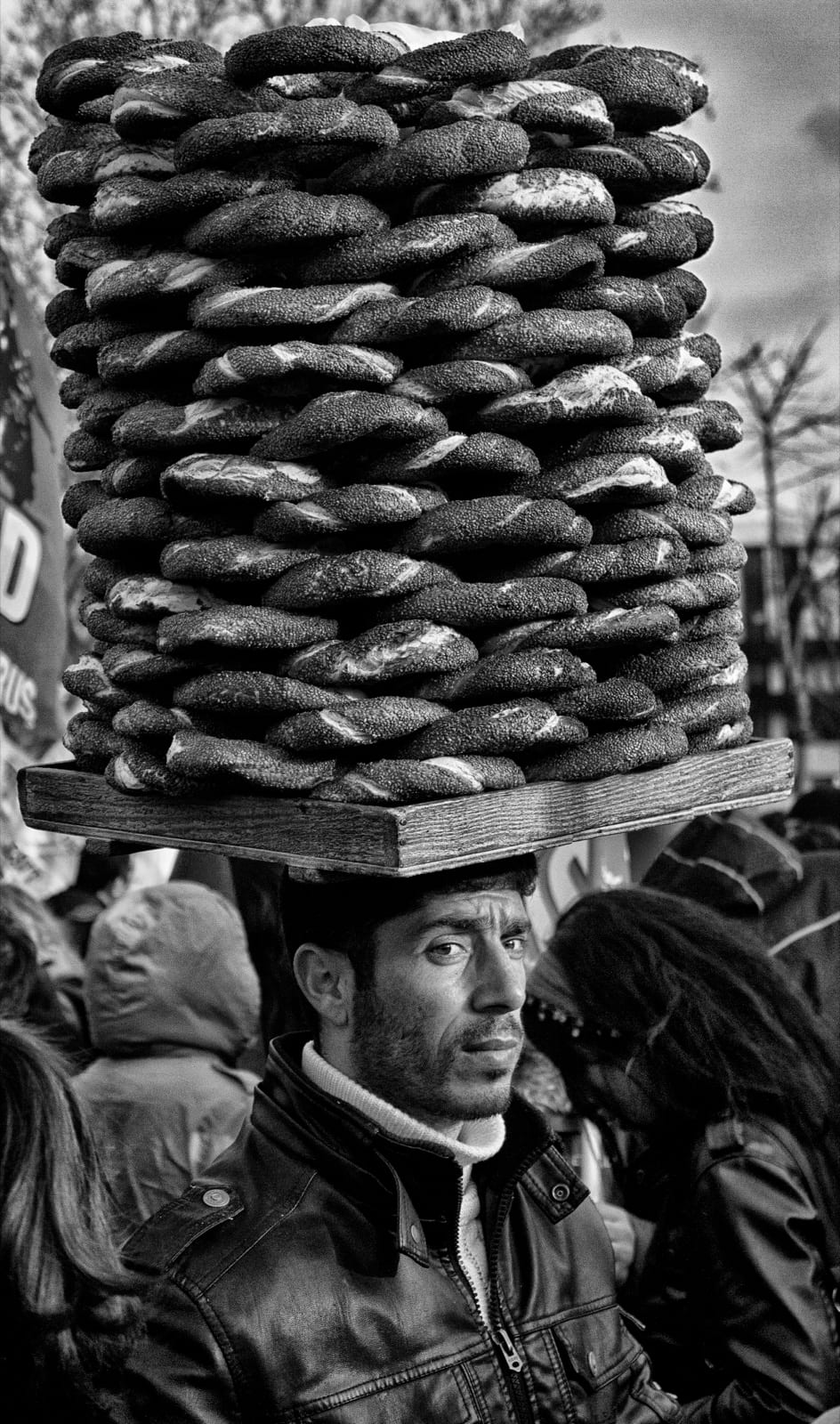
Before I photograph a stranger on the street, the same question always comes to me: do I have the right to do this? Years of shooting on the street taught me the answer has less to do with law and more to do with respect. Is street photography legal? The short answer: taking photographs in public is generally allowed — but how you use the image is a separate and important matter.
Is it legal to photograph people in public?
The general principle: photographing things and people in a public place for personal or artistic purposes is usually possible in most countries. That does not mean you can use every frame however you like. In Turkey, personal-data protection (KVKK) and personality rights come into play; publishing a recognisable person without consent or for commercial use can cause problems. This is not legal advice — for certainty, consult a lawyer.
When do you need permission?
A practical distinction: there is a big difference between shooting for a personal archive and art, and commercial use. If you will use a frame in an advertisement, on a product, or in a brand's communication, obtaining written permission (a model release) from recognisable people is standard. Shooting on the street and sharing it only in your own portfolio or an artistic series is a different space, but the limits of respect still apply.
Ethics: how to shoot with respect
My rule is simple: the camera should be an invitation, not a weapon. I avoid photographing children, people in vulnerable situations, and moments where privacy is clearly expected. Most of the time I make eye contact, smile and make my intent clear; if someone objects, I do not shoot, or I offer to delete. No image is worth more than a person's dignity.
What do you do if someone objects?
Do not argue. Explain calmly what you are doing and why. If they do not want it, delete the photo and thank them. This is both the right thing and the only way to keep shooting on the street long term — if a neighbourhood does not trust you, you will not shoot there again.
Frequently Asked Questions
Is street photography legal? Shooting in public for personal or artistic purposes is possible in most places, but the use of the image (especially commercial) is limited by personality rights and data protection. Consult a lawyer for certainty.
Do I need permission from the people I shoot on the street? For a personal archive or art, shooting is generally possible; for commercial use, a written model release from recognisable people is standard.
Is photographing on the street a crime in Turkey? Shooting itself is generally not a crime; but military and restricted zones, private property and personality rights are exceptions, and how you use the image is decisive.
What if someone does not want to be photographed? Do not shoot, or delete it. That is the right thing ethically and practically.
The years taught me this: the real rule of street photography is not in the law, but in the brief trust you build with a person. As long as you shoot with respect, the street keeps its doors open to you. (This article is not legal advice; consult a lawyer for specific situations.)