[ Blog · Photography & Fine Art · 7 min read ]
By Sefa Yamak
How to Shoot a Portrait: What a 20-Year Photographer Actually Watches
How to shoot a portrait: which lens, which light, how to relax your subject, and the most common mistakes — practical notes from a photographer who has shot portraits on set for twenty years.
I have been photographing faces for over twenty years, and I still do the same thing before every portrait: I talk to the person for two minutes before I touch the camera. Because the secret to a good portrait is not in the gear — it is in those two minutes. The short answer to how to shoot a portrait is this: get the technique right and the face relaxes; once the face relaxes, the frame takes itself. The long answer — everything I have learned on set — is below.
What matters most in a portrait?
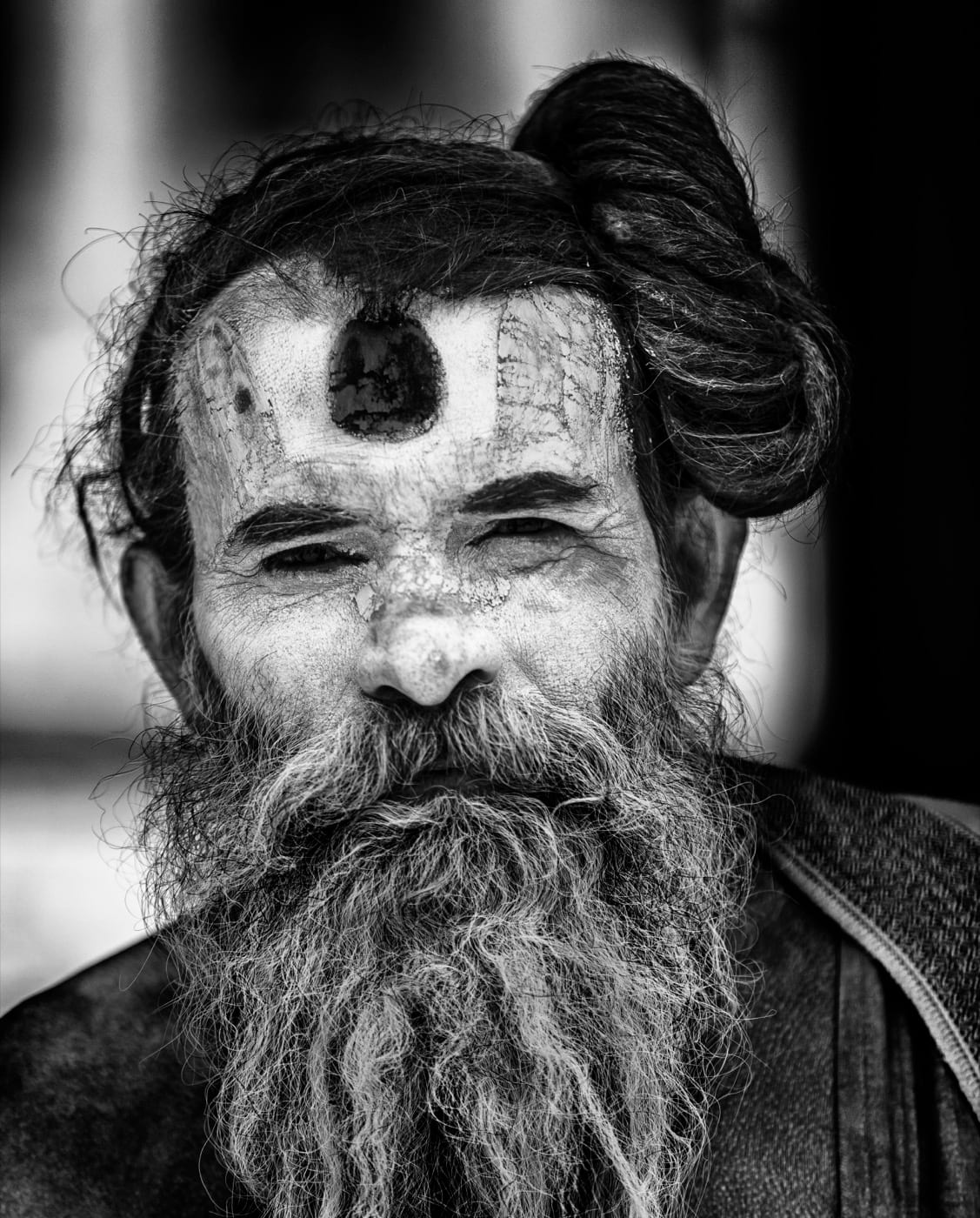
The eyes. If you focus on one thing in a portrait, make it sharp eyes. A viewer looks at the eyes first; if they are sharp the photo lands, and if they are not, even a technically flawless frame feels empty. On most portraits I use a single focus point and lock it on the eye nearest me. Second priority: the moment the expression turns natural. I wait for the unforced smile that comes from talking, not from posing.
Which lens for portraits?
The question I get most. The classic answer is 85mm — it renders faces without distorting proportions and melts the background softly. But there is no single truth: 50mm gives a closer, more intimate portrait that includes the room; 135mm puts a respectful distance between viewer and subject, useful on the street or with a shy person. One rule: do not shoot a face on a wide angle (below 35mm) — it enlarges the nose and warps proportion. If you are starting out, start with 50mm; a year later your hands will tell you which focal length they want.
Light: the thing that does half the work
In a portrait, light is everything. The safest light is soft window light from the side — it darkens slowly along the cheek, giving the face volume. Avoid hard midday sun from overhead; it blackens the eye sockets and flatters no one. Outdoors, wait for golden hour or step into shade. A single window and a white wall will give you a better portrait than a whole studio rig.
How do you relax someone? (the posing question)
Posing makes most people tense, and a tense face shows instantly. I do not pose people; I direct them: small, doable cues like drop your chin toward me a finger's width, or put your weight on your back foot. Give the hands something to do — a cup, a collar. And keep talking; the best frames usually come right after you say got it, when the person lets go. That is why I never really stop — I fire a few extra frames past the point they think we are done.
The most common portrait mistakes
Mistakes I have seen for years, and made myself: shooting a face on a wide angle; locking focus on the nose or cheek instead of the eye; working in hard overhead light; never directing the subject and creating tension by saying just be natural; and taking one frame and thinking you are done — an expression shifts in seconds, so shoot a burst. Fix these five and half your portraits improve today.
Frequently Asked Questions
What is the best lens for portraits? The safest all-round choice is 85mm; it softens the background without distorting the face. 50mm gives a more intimate, environment-including portrait, and 135mm a more distant, respectful one. Avoid shooting faces below 35mm.
What should you focus on in a portrait? The eye. Lock focus on the eye nearest you — the viewer looks there first.
What is the best light for a portrait? Soft window light from the side. Avoid hard midday sun; outdoors, choose golden hour or shade.
How do you photograph someone who cannot pose? Do not pose them — give small directions and keep talking, and hand them an object to hold. The most natural frames come once they relax.
Here is what the years taught me: a portrait is not a technical job, it is a matter of trust. The gear only records that trust. Next time you photograph someone, look at their face before you look through the camera — everything after that gets much easier.