[ Blog · For Brands · 6 min read ]
By Sefa Yamak
Why brands work with photographers who are also creators
Hiring one studio that both produces the campaign and puts it in front of a real audience. What brands actually get, how it differs from a separate photographer plus influencer, and when it makes sense.
Brands work with photographers who are also creators because they get two things from one relationship: the campaign itself and a real audience to show it to. One studio produces the images, and the same studio publishes them to people who already follow the work. That is the short answer. The longer one is more interesting, and it comes with real limits.
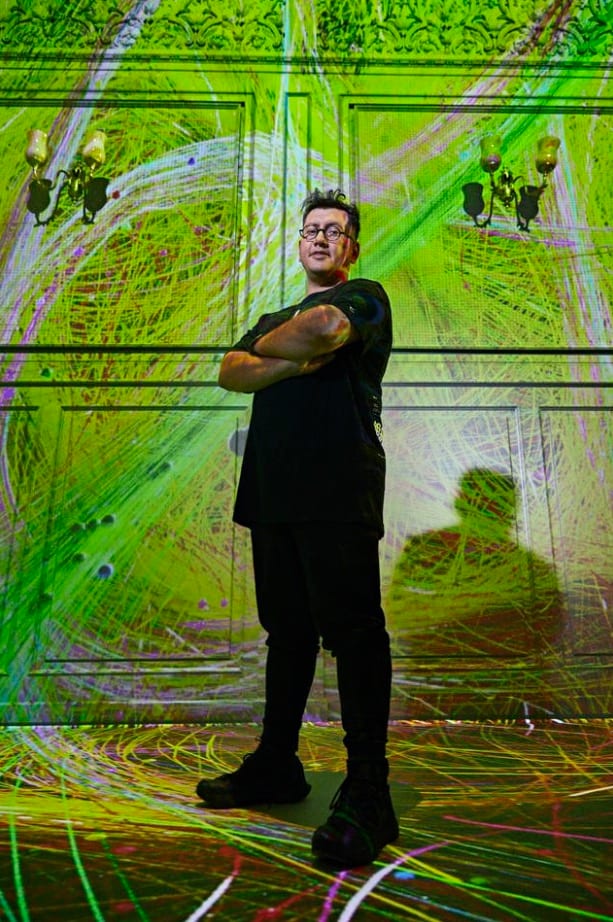
I shoot portraits in Istanbul under PAM Istanbul, and I also post my work to more than 800,000 people on Instagram. So I sit on both sides of this. I know what it takes to make a good image, and I know what happens when that image goes out to an audience that trusts the person posting it. This piece is written for brand and agency people who are trying to decide whether a creator photographer is worth it for their next project.
What a brand actually gets
Start with production. A photographer who works with brands can plan a shoot, direct it, light it, and hand over final images that hold up on a billboard and on a phone screen. That part is not new. Studios have done it for decades.
The new part is distribution. When the same person has an audience, the campaign does not stop at delivery. It gets published to people who already come back for this kind of work. That audience is not rented for a week. It was built over years, one post at a time, which is why it tends to react honestly.
There is also authenticity, and I want to be careful with that word because it gets overused. What I mean is specific. When I post a brand's work, it sits next to my own portraits. My followers can see whether it fits or whether I took a job that made no sense. That pressure keeps the collaboration honest. A brand borrows some of that trust, but only if the fit is real.
And there is speed. One point of contact who shoots and posts removes a lot of back and forth. No handoff between the studio that made the images and the account that publishes them. Fewer meetings, fewer approvals lost between two vendors, a shorter path from idea to something live.
How this differs from a photographer plus an influencer
The usual way to get both production and reach is to hire two parties. You pay a photographer to make the campaign, then you pay an influencer to post about it. That works, and sometimes it is the right call. But it has seams.
The photographer optimizes for the image. The influencer optimizes for engagement. Those two goals do not always point the same direction, and the brand ends up managing the gap between them. The influencer often did not make the thing they are posting, so their caption has a slight distance to it. You can feel it.
With a creator photographer, the person who made the image is the person posting it. The story behind the shoot is first hand. There is no translation step where the meaning gets thinner. You are also managing one relationship instead of stitching two together, which matters more than it sounds when a deadline is close.
I am not saying one model beats the other every time. A massive campaign with a celebrity face and a separate production team is a different animal, and the two-party setup is correct there. The creator photographer model is strongest at a specific scale, which I will get to.
When it makes sense, and when it does not
It makes sense when the brand's audience overlaps with the creator's, when the work genuinely fits the feed, and when you want production and reach to feel like one voice instead of two. Fashion, hospitality, travel, design, anything where the image is the product. A hotel that wants portraits of its space shown to people who care about how places look is a clean example.
It makes less sense when you need reach far beyond the creator's audience, or when the brand and the creator have nothing visual in common. If you force a fit, followers notice, and the trust you were paying for quietly leaves. I have turned down work for this reason. A post that does not belong sets me back more than any single job is worth, and it would not have served the brand either.
So the honest limit is this. An audience of several hundred thousand is meaningful, but it is not a national TV spot. If your only goal is raw reach numbers, buy media. If your goal is the right image in front of the right people who will believe it, this model earns its keep.
What to look for
Look at the actual work first, not the follower count. Can this person make the image you need without you art-directing every frame? The audience means nothing if the production is weak.
Then look at whether the audience is real and engaged. Comments that sound like people, saves, a following that grew steadily rather than in one strange spike. Ask what the creator has posted for other brands and how those posts read next to their personal work. If every brand post feels bolted on, that tells you something.
Ask about the split too. Some creators treat the post as a favor thrown in with the shoot. Others treat distribution as a real part of the deal with its own thinking behind it. You want the second kind, because the posting is half of why you are here.
Ways to structure the collaboration
A few models work, and the right one depends on what you need.
Production only is the plain version. You hire the photographer for the shoot and use the images across your own channels. No posting from the creator. This is just good photography, valued as such.
Production plus distribution is the full model. The creator shoots the campaign and publishes an agreed set of posts to their own audience, with usage rights defined for your channels on top. This is where the two-in-one value shows up.
Then there is the ongoing version, where a creator becomes a recurring face for the brand across a season or a year. That builds something a one-off cannot, because the audience starts to associate the brand with a person they already trust. It asks for more, and for more trust in both directions, but for the right pairing it is the strongest option.
Whatever the shape, write the usage rights down clearly. Which images, which channels, how long, whether the creator's own posts stay up. Getting this vague is the most common way these deals sour, and it is entirely avoidable.
FAQ
What is a creator photographer? A photographer who both produces professional work for brands and has their own engaged audience they publish to. You get the campaign and a real channel to release it through from the same person.
Is this simpler than hiring a photographer and an influencer separately? Sometimes, but that is not the main point. You are usually paying for coherence and speed rather than a discount. One voice made the image and posts it, so the result feels less stitched together.
How big does the audience need to be? Bigger is not automatically better. An engaged, well-matched audience of a few hundred thousand often outperforms a larger but indifferent one. Fit matters more than the raw number.
When should I just hire a photographer and a separate influencer? When you need reach well beyond any single creator's following, or when the ideal face for the campaign is not the person shooting it. At very large scale the two-party setup is often correct.
How do we protect the brand if the post underperforms? Agree on deliverables and usage rights before the shoot, not after. Define which posts go out, what your channels can use, and for how long. Clear terms up front prevent almost every problem I have seen.
Related serviceShooting and production in Istanbul with PAM Istanbul — see the work or send a brief.