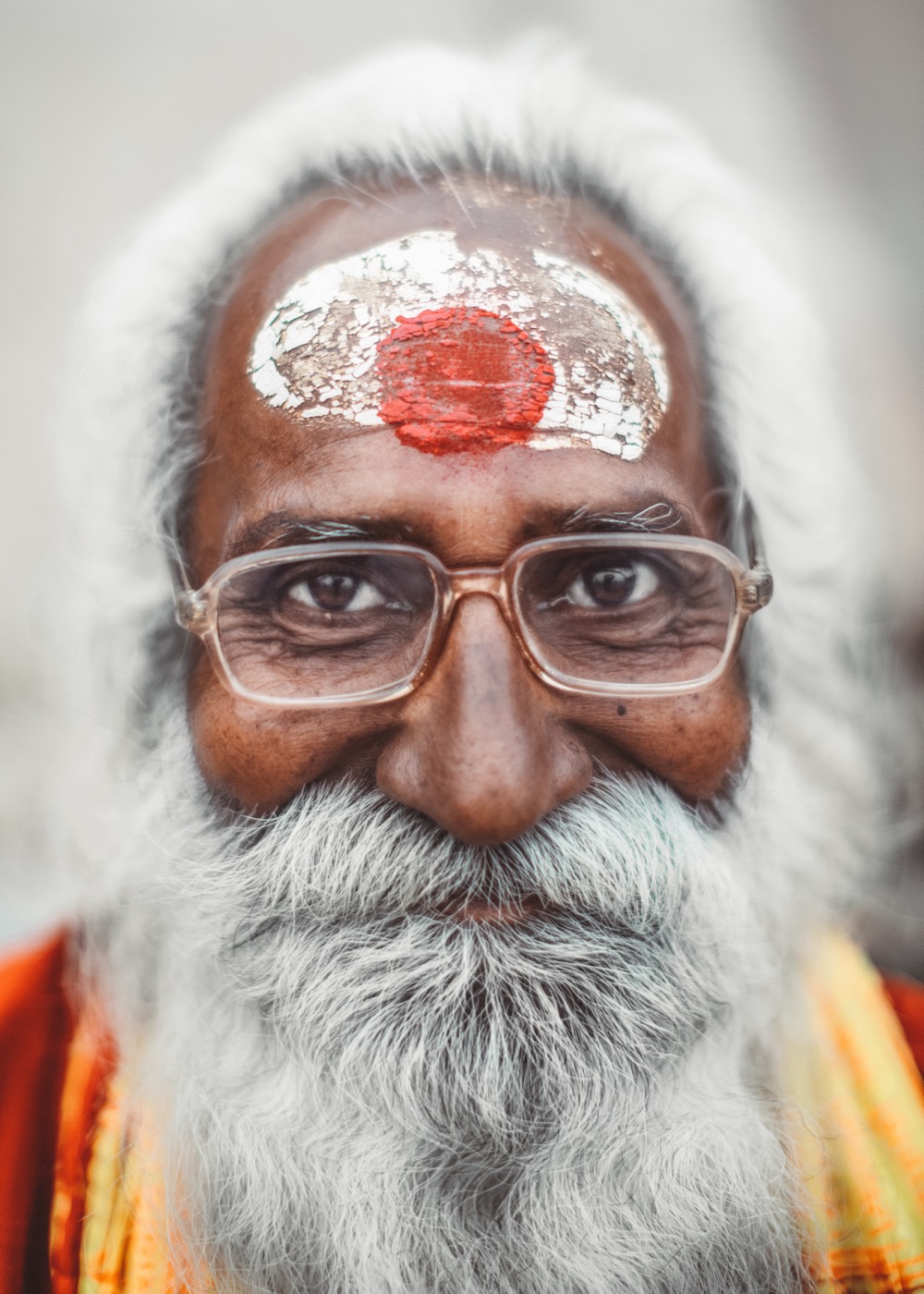
The settings I use for almost every portrait
People want a magic setting for portraits. There is no magic, but there is a sane starting point, and having one means you spend your attention on the person instead of the dials. Here is mine, the place I begin before I adjust for the situation.
Aperture: f/2.8. Wide enough to lift the face off the background, not so wide that one eye goes soft while the other is sharp. If I am photographing two people, I close down to f/4 or f/5.6 so both faces stay clean. Wide apertures are seductive, but a portrait where half the face is out of focus is a mistake, not a style.
Shutter speed: 1/250 or faster. People move more than you think, even sitting still. A breath, a small nod, and a slow shutter turns it to mush. I keep the shutter fast enough that nothing soft can creep in from movement.
ISO: auto, with a ceiling. I let the camera raise ISO to keep the shutter fast, but I cap it so it does not climb into ugly noise without telling me. Indoors that ceiling might be 6400. Outdoors it rarely moves off the base.
Focus: single point, on the near eye. Not the nose, not the cheek, the eye closest to the camera. If the near eye is sharp, the portrait reads as sharp even when everything else is soft. I move the focus point to the eye myself rather than trusting the camera to guess.
Light: to the side, soft. This is not a camera setting, but it matters more than all of them. Turn the person so the light comes across the face, not flat into it.
That is the whole recipe: f/2.8, 1/250, auto ISO with a cap, single point on the near eye, side light. I set it in ten seconds and then I forget the camera, which is the entire point. Settings are not the work. They are what you get out of the way so the work can happen.