The exposure triangle, without the headache
Every camera, no matter how expensive, is trying to do one thing: let in the right amount of light. Too little and the photo is dark. Too much and it washes out. Three controls share that single job, and once you see how they trade against each other, manual mode stops being frightening.
ISO is how sensitive the sensor is to light. Low ISO (100 to 400) for bright days, high ISO (3200 and up) for dark rooms. The cost of raising it is noise, the grainy speckle you see in shadows. Modern cameras handle high ISO far better than they used to, so do not be afraid of it. A slightly grainy photo you actually got beats a clean one you missed.
Aperture is the size of the opening in the lens. It controls light and also how much of the scene is in focus. Wide, like f/1.8, lets in a lot of light and blurs the background. Narrow, like f/11, lets in less and keeps everything sharp.
Shutter speed is how long the sensor stays open. Fast, like 1/1000, freezes motion and lets in little light. Slow, like 1/30, lets in more but blurs anything that moves, including your own hands.
Here is the part nobody says plainly: you cannot change one without paying for it somewhere else. Open the aperture for a blurred background and suddenly too much light is coming in, so you speed up the shutter to compensate. Slow the shutter in a dark room and your hands shake the frame, so you raise the ISO instead. The three are always negotiating.
A simple way in is to decide what the photo is about first.
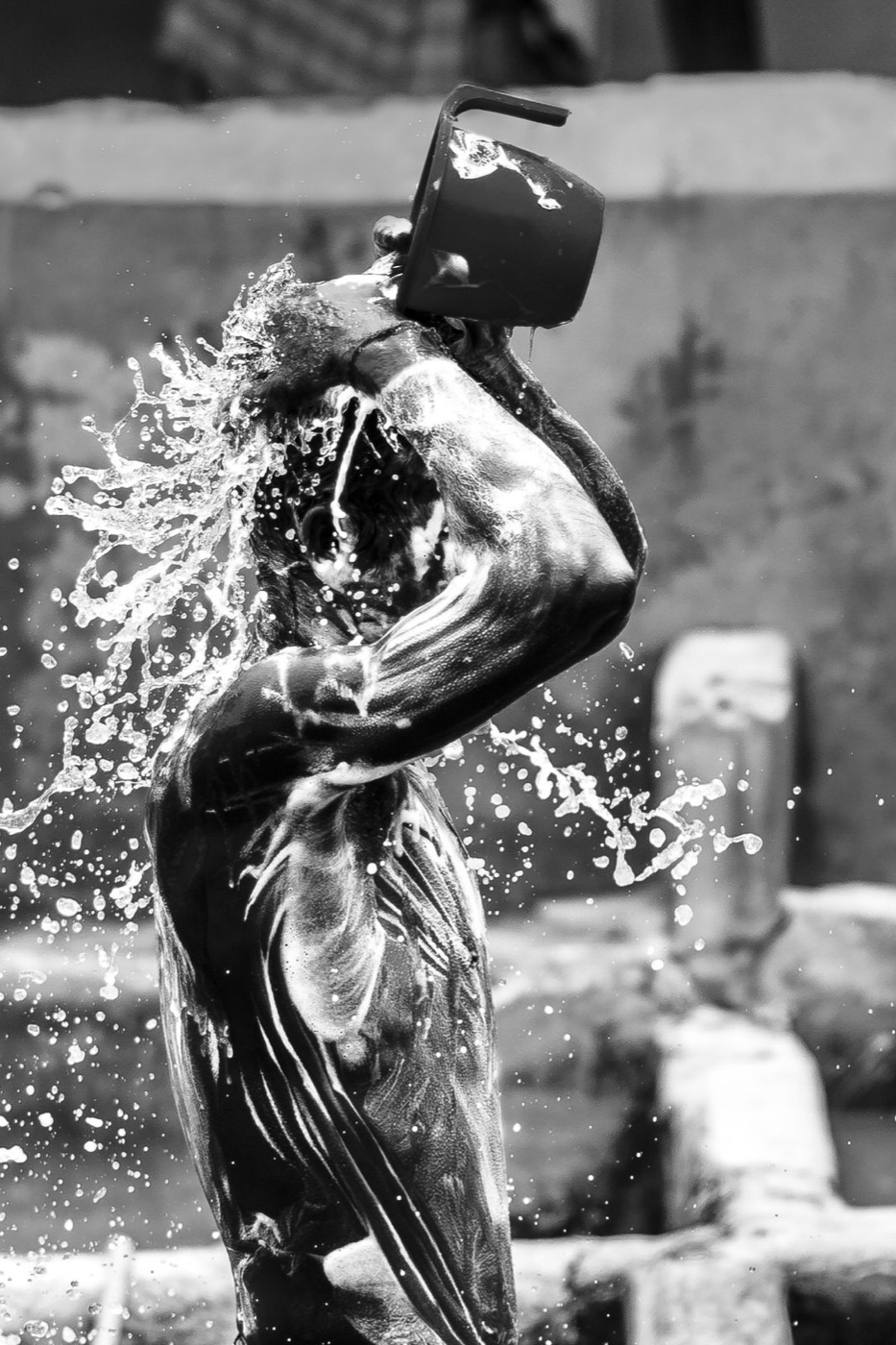
If it is about a person against a soft background, aperture leads. Set it wide, then balance the other two. If it is about motion, a child running or water or a street, shutter leads. Set it fast, then balance. If it is simply dark, ISO leads. Raise it until the shutter is fast enough to hold steady.
While you are learning, put the camera in aperture-priority mode. You pick the aperture, the camera handles the rest, and you watch what it chooses. Within a week you will feel the trade in your hands, and full manual will stop looking like a cockpit and start looking like three dials doing one simple job.