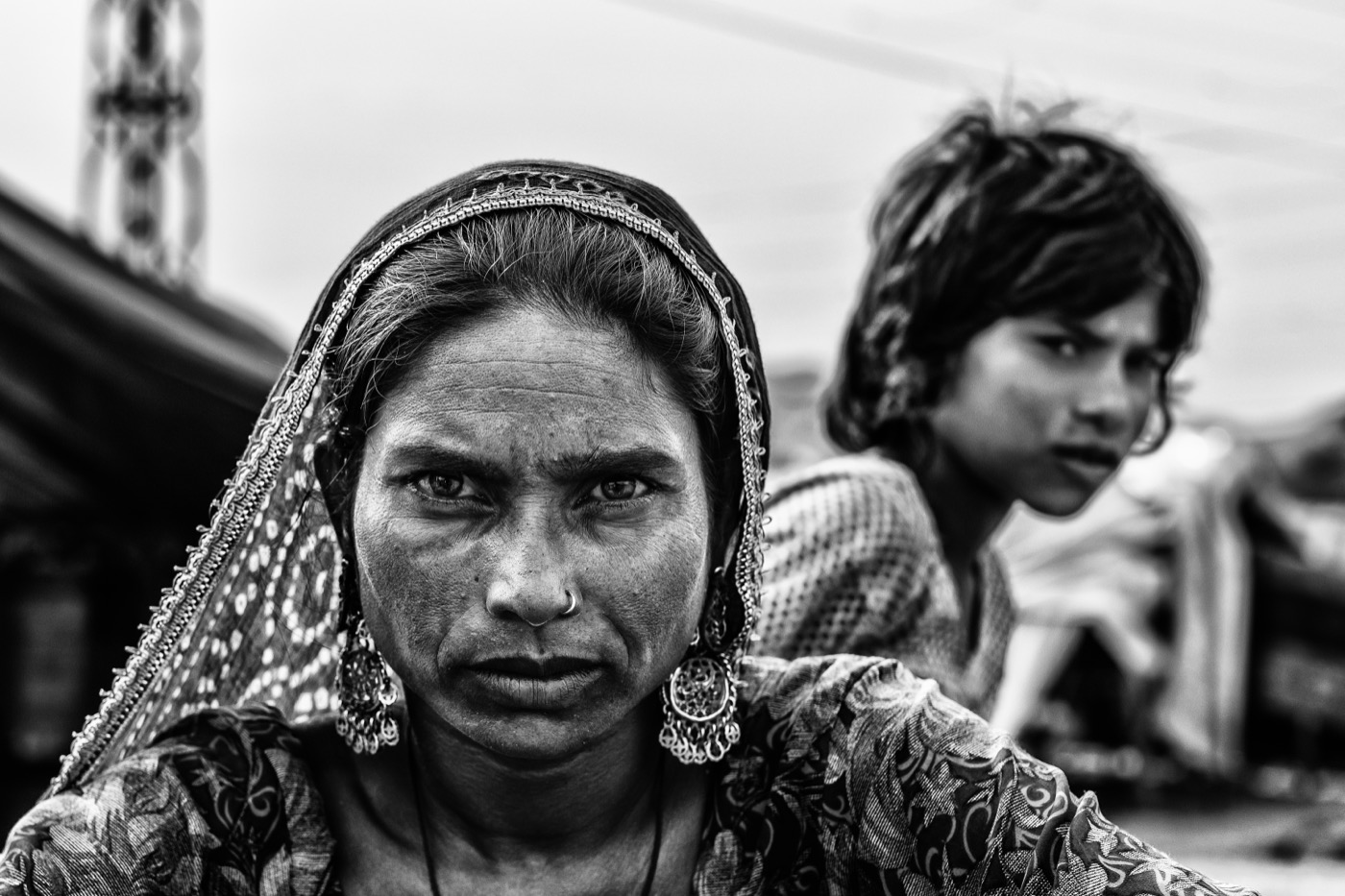
Street photography: how to start, and how to stop being scared of it
Almost everyone who wants to shoot on the street is stopped by the same thing, and it is not technique. It is the fear of lifting the camera in front of a stranger. I felt it for years. Here is what actually helped, in the order it helped me.
Use a small camera and one lens. A big camera announces itself and makes you feel like you are doing something official. A small camera with a 35mm or 50mm lens lets you work like a person on the street rather than a photographer on assignment. One lens also means you stop fiddling and start seeing.
Get close, but earn it. The beginner instinct is to stand far away and zoom, and those photos always look stolen because they were. The better photos come from being near, at a normal human distance, where you are part of the scene instead of spying on it. Closer is less creepy, not more.
Work where photography is normal. Markets, festivals, busy squares, tourist streets. In those places a camera is expected and nobody minds. Start there, build the nerve, and the quieter streets get easier.
Decide your answer before you need it. When someone notices and looks at you, smile, nod, and if they seem unhappy, show them the frame or offer to delete it. Ninety-nine times in a hundred a smile ends it. Having the answer ready is what kills the fear, because the fear is really just not knowing what you will do if you are caught.
Shoot a lot and keep almost none. Street photography is a numbers game in a way portraits are not. The moment when a gesture, a light, and a background line up lasts a fraction of a second and you cannot plan it. You can only be there, ready, often. Most of what you shoot will be nothing. That is normal. The keepers are rare for everyone, including the people whose names you know.
The fear never fully leaves, and that is fine. You just stop letting it decide whether you lift the camera. The street does not owe you a picture, but it hands one to anyone patient and present enough to still be looking when it appears.