How to take a portrait that doesn't look posed
Most portraits that look stiff look that way for a reason you can fix. The person knew the picture was being taken, braced for it, and gave you the face they keep for passport machines. The work of a portrait is mostly the work of getting past that face to the one underneath.
A few things help, and none of them are about the camera.
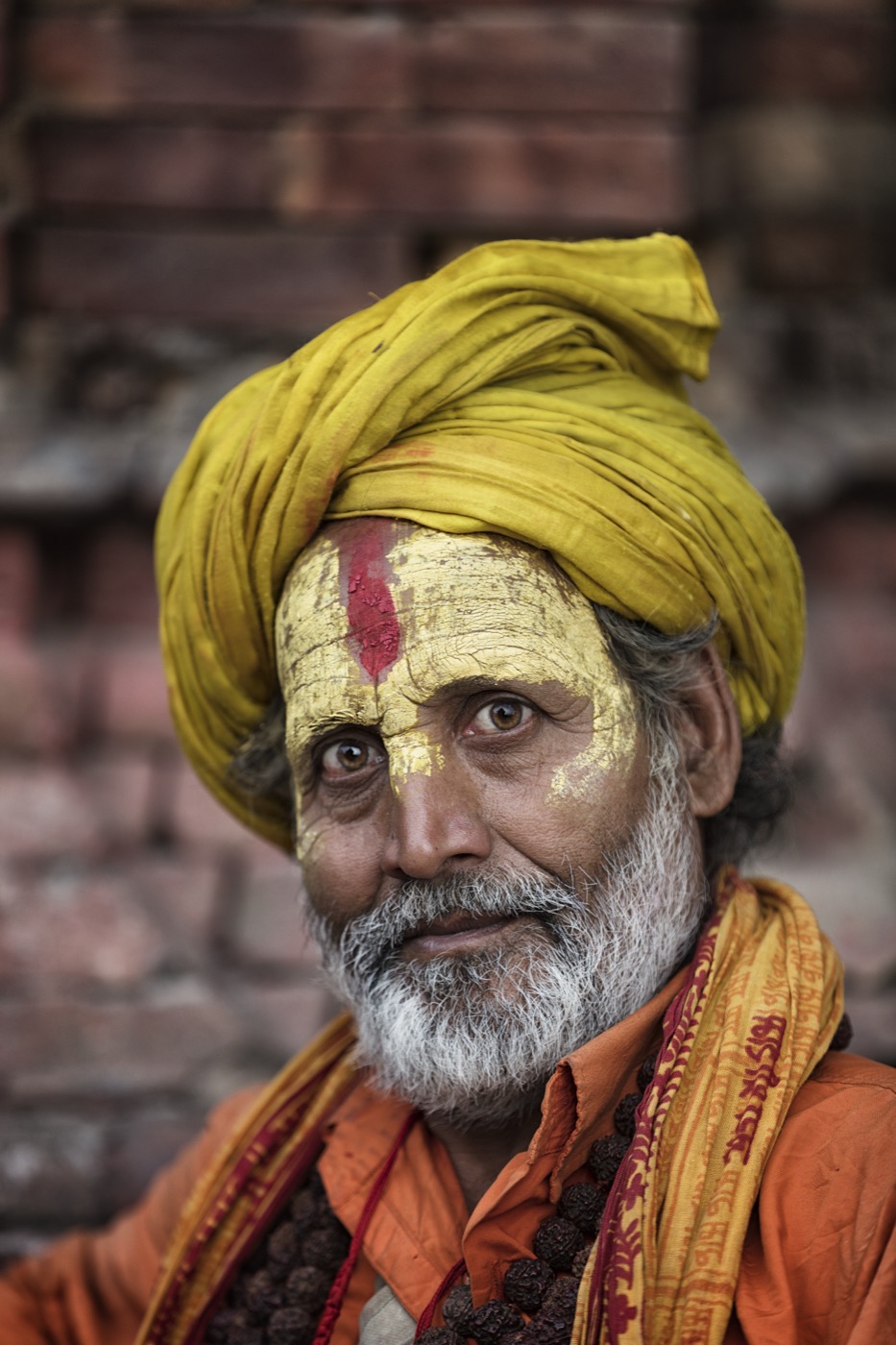
Start with the eyes. If nothing else in the frame is sharp, the eyes must be. We read a face through the eyes, and a portrait with a soft eye feels wrong even to people who cannot say why. Focus there and confirm it before you think about anything else.
Light from the side, softly. A window is the best portrait light most people already own. Put the person near it, turned partly toward it, so the light comes across the face and leaves a little shadow on the far side. That shadow is what gives a face its shape. Flat, head-on light erases it.
Open the aperture, but not all the way. A wide aperture separates the person from the background and quiets everything behind them. Go too wide, though, and you lose one eye to blur while the other is sharp. For a single face I usually sit around f/2.8 to f/4, enough to soften the background and still keep the whole face clean.
Give them something to do, or someone to be. The stiffest moment is when a person is waiting to be photographed and knows it. Talk to them. Ask them something they have to think about. Make a frame, show them the back of the camera, make another. The second a person forgets the lens, even for a moment, you will see it, and that is the frame.
Shoot before and after the pose. People arrange their face for the photo and then relax when they think it is over. The relaxing is usually better than the pose. I keep shooting through the moment they think we are done. More than once the picture I kept was the one they did not know I was making.
None of this needs an expensive camera. The man with the yellow turban in my Sadhus series was photographed in flat morning shade, one lens, no reflector. What made the portrait was not gear. It was waiting until he stopped performing and simply looked back.