Aperture, in plain language: how to blur a background
Of all the camera settings, aperture is the one most worth understanding first, because it changes the look of a photograph more than any other. The jargon makes it sound harder than it is, so here it is without the jargon.
Aperture is the size of the hole the lens opens to let light in. It is measured in f-stops: f/1.8, f/2.8, f/5.6, f/11, and so on. The confusing part, which trips up everyone at the start, is that the numbers run backwards. A small number means a big hole. A big number means a small hole. f/1.8 is wide open. f/16 is nearly closed.
Two things change when you move that number.
The first is brightness. A bigger hole lets in more light, which is why a wide aperture helps in dim places. That part is intuitive.
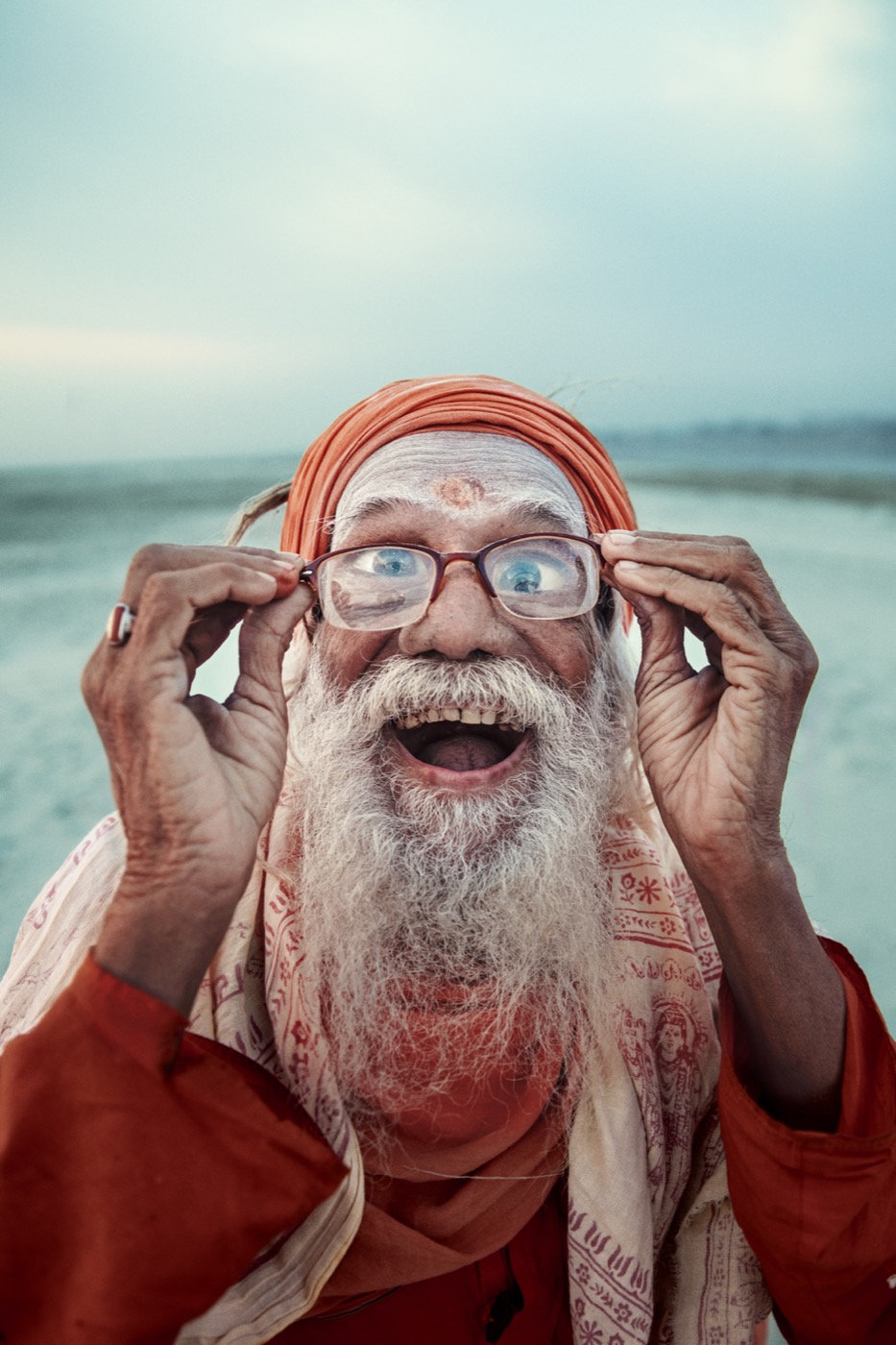
The second is the one people actually care about: how much of the picture is in focus. This is called depth of field. A wide aperture — that small f-number — puts a thin slice of the scene in focus and lets everything in front and behind fall soft. That soft background, the creamy blur photographers chase, is just a wide aperture doing its job. A narrow aperture, the big f-number, keeps far more of the scene sharp, front to back.
So the practical version is simple. Want a portrait where the person lifts off a soft, quiet background? Open up: f/1.8 to f/2.8. Want a landscape sharp from the rock at your feet to the mountain behind it? Close down: f/8 to f/16.
There is a cost, and it is worth knowing. Wide open, the focus is so shallow that you can have one eye sharp and the other already soft, so you aim for the near eye and check it. Closed down, you let in so little light that the shutter has to stay open longer, and below a certain speed a handheld shot starts to blur from your own movement, so you raise the ISO or use a tripod.
That is the whole trade: light, focus depth, and steadiness, pulling against each other, with aperture as the first decision you make. Learn what f/2 and f/8 do to the same scene and you will have more control over how your pictures look than any new camera could give you.